

Interior Design Secrets: tips and ideas.
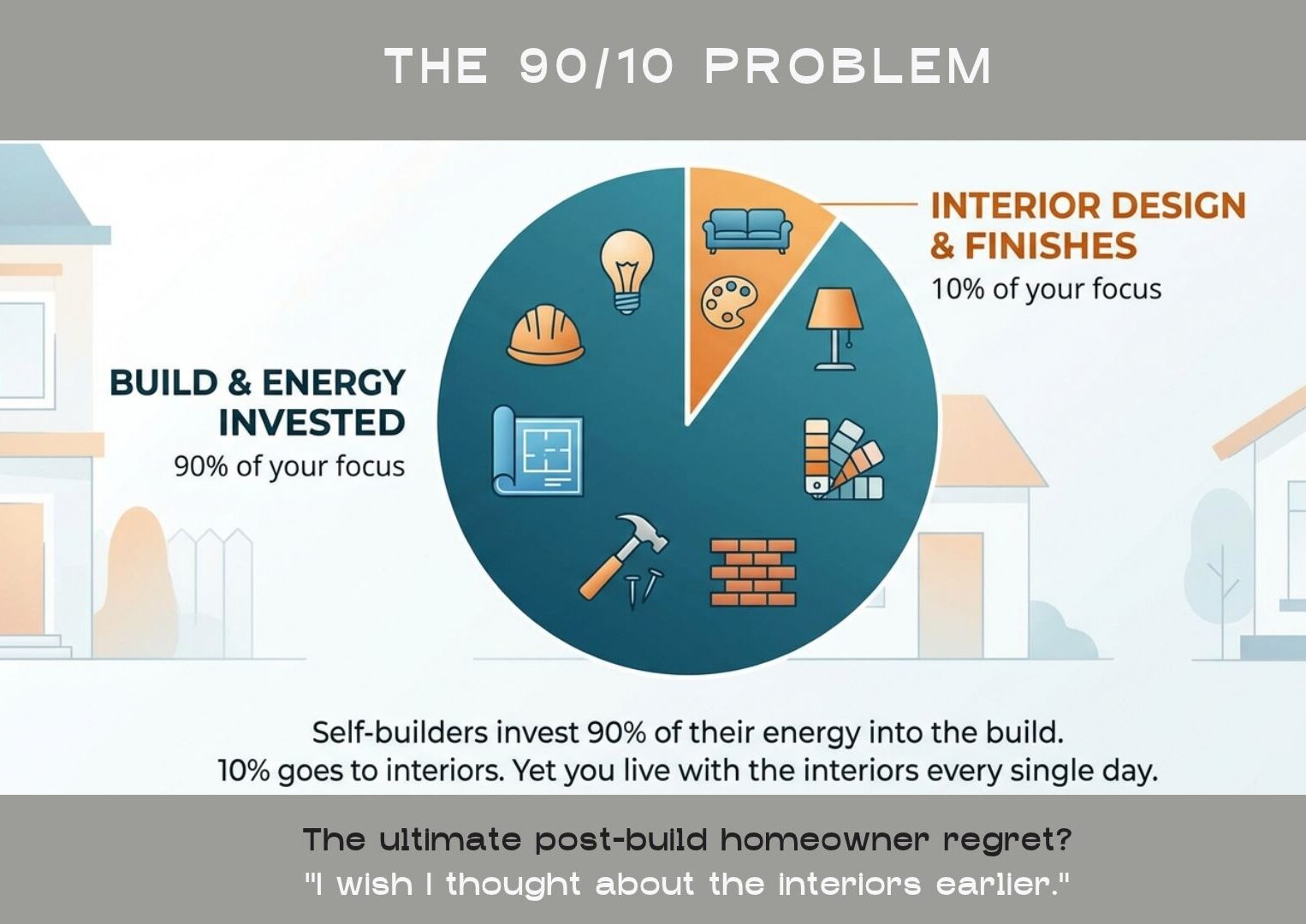
Most renovation projects begin with a dream and end with a compromise. The structure gets built, the rooms are approved, the budget is stretched; and then, almost as an afterthought, the interiors are decided. It is a familiar pattern, and it is also the reason so many homeowners finish a project with the same regret: they wish they had thought about design earlier.
The cost of leaving interiors too late
That regret is rarely about one dramatic failure. More often, it is a series of small, expensive oversights. A doorway that disrupts the flow of a room. A socket placed where it is least useful, or missing sockets in critical locations where you need them most. A finish chosen in haste because a deadline was looming. A lighting scheme that looks adequate on paper but feels flat in real life. These details may seem minor during construction, yet they shape the way a home is lived in every single day.
The first and most common mistake is treating interior design as something to be resolved after the build is fixed. By then, windows, walls,
and circulation routes are largely locked in place. What seemed workable in drawings can feel awkward in practice. A kitchen may be beautiful, but if the appliances are not thoughtfully placed, cooking will never feel effortless. A window may look reasonable architecturally on plan, but if it misses the best light, the room will never reach its full potential. Interior thinking needs to happen early, before convenience becomes permanence.
Reactive decisions, expensive results
The second mistake is reactive decision-making. Once the project enters its final stages, homeowners are often forced to choose finishes under pressure. Floors, paint, tiles, joinery and fittings are selected quickly, often in isolation, and the result is a house full of good individual choices that do not quite belong together.
Luxury does not come from random expensive elements. It comes from coherence. A clear concept- calm, warm, dramatic, restrained, layered- gives every decision a framework. When the palette is disciplined, even modest materials can feel elevated. When it is not, the most expensive choices can feel strangely flat.
Why light changes everything
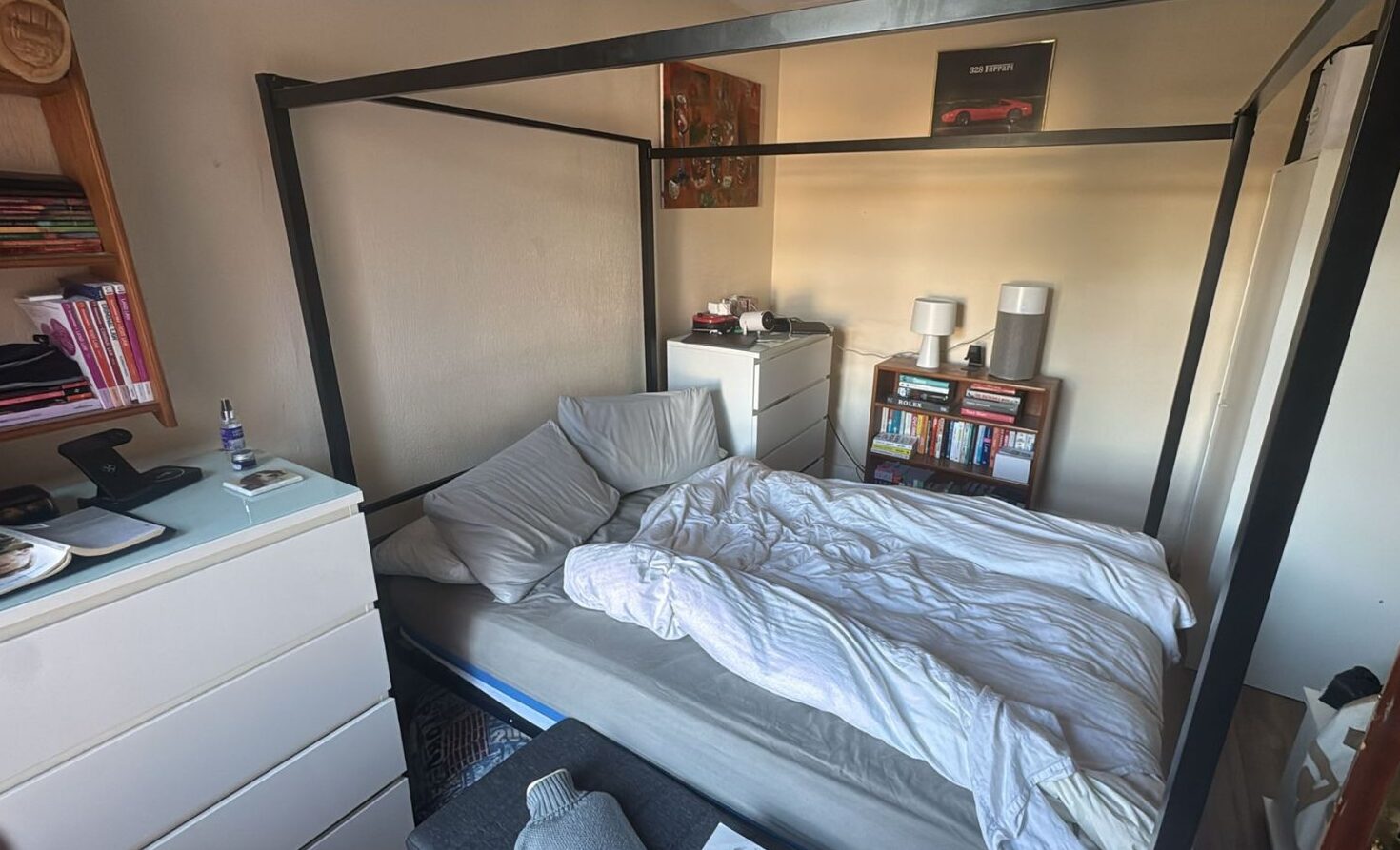
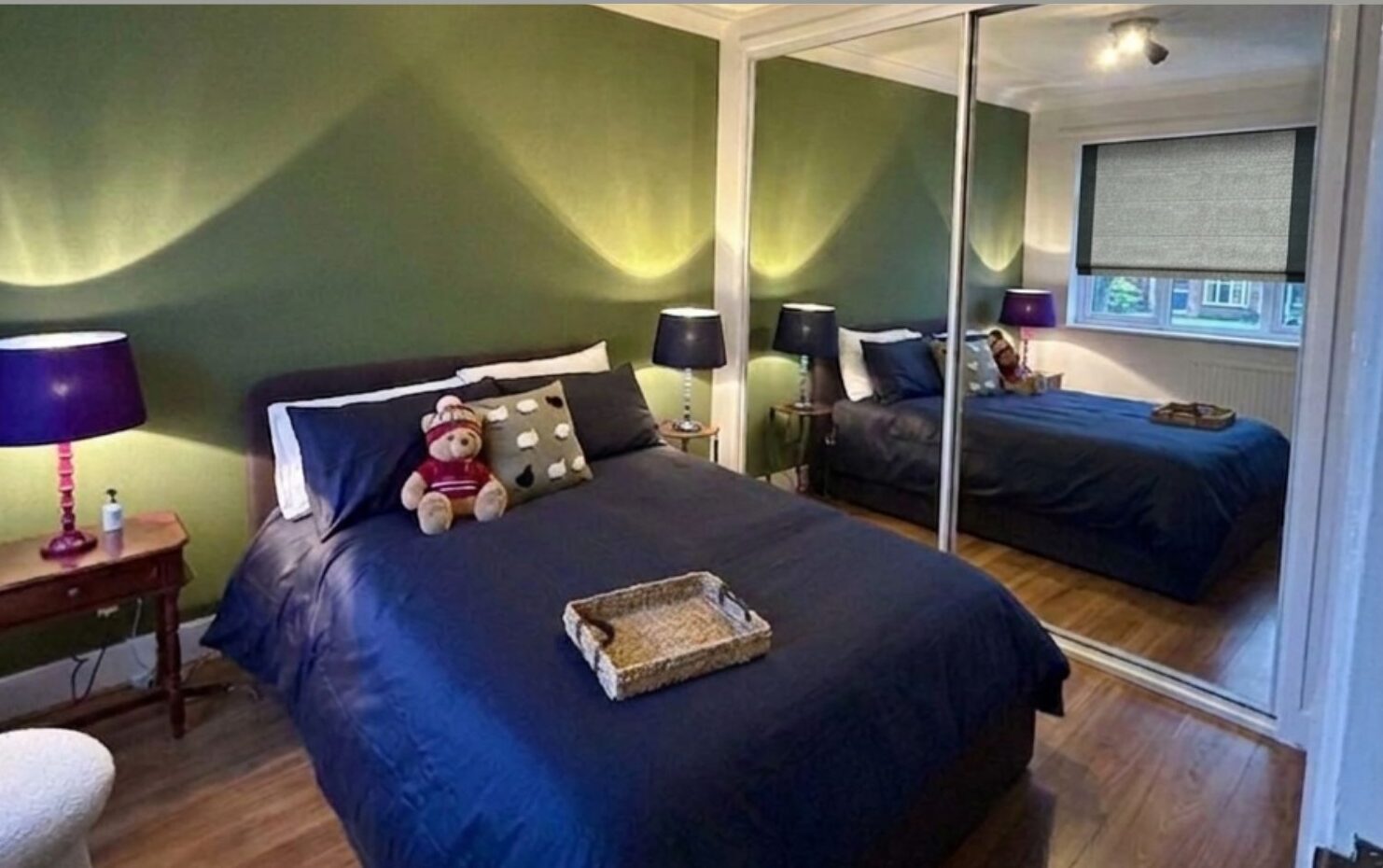
The third mistake is underestimating light. Natural light is one of the most powerful design tools available, and also one of the least expensive. It changes the tone of colour, the perceived size of a room, and the way a space is used over the course of the day. A room that feels serene in morning light may feel cold and severe by late afternoon.
A layout that ignores orientation can force a home to work against itself. When light is considered properly, it becomes part of the architecture of comfort. Rooms begin to support the rhythm of daily life rather than resist it.
Designing for how people live
The most successful interiors are not built around objects, but around experience. This is where wellness-led space planning becomes essential. A well-designed home guides movement naturally. It feels intuitive from the moment you enter. The kitchen anchors daily life, the living area invites pause, and circulation feels calm rather than forced.
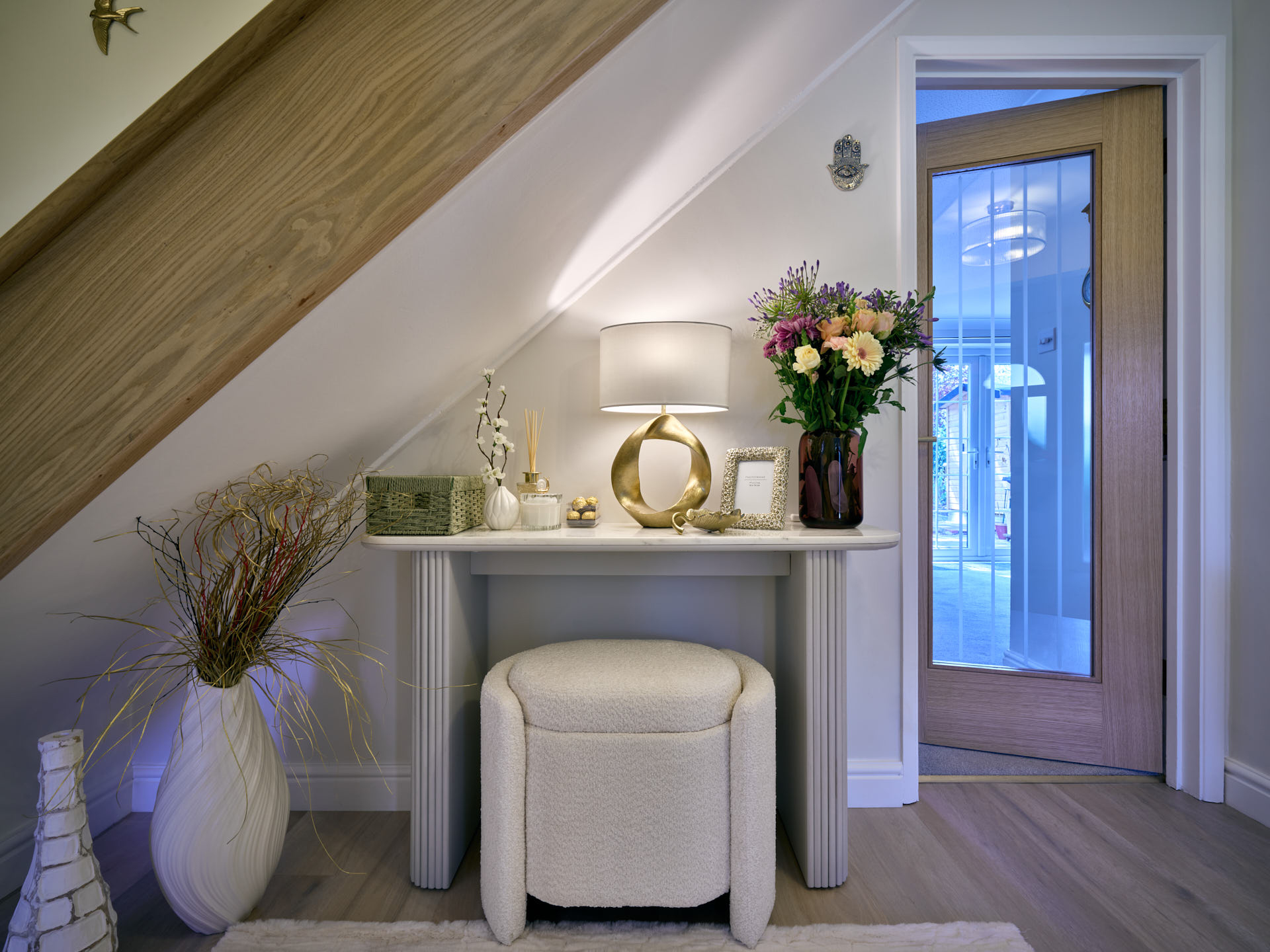
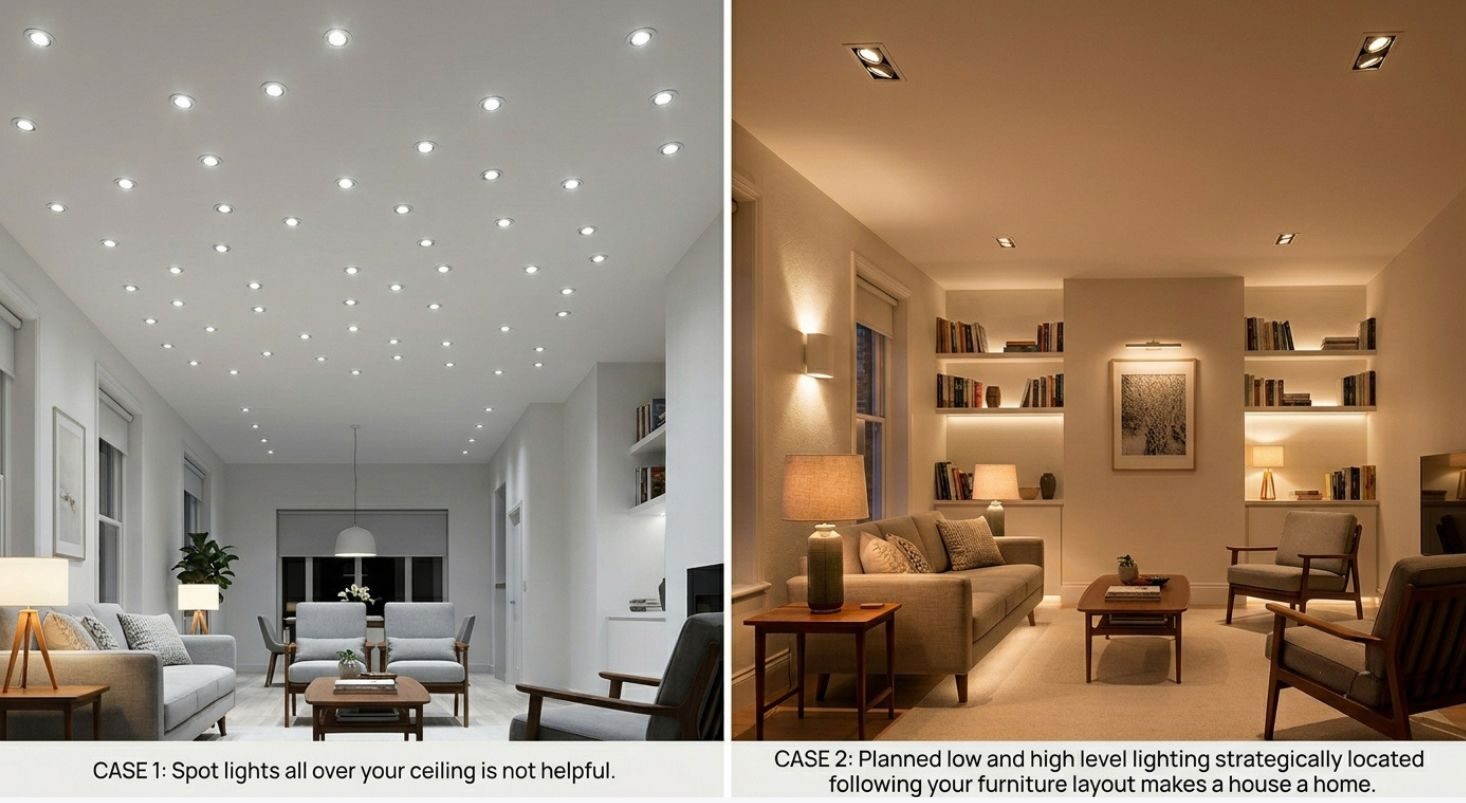
Layered lighting matters just as much. Ambient, task, and accent lighting should work together to create mood as well as function. A room should not simply be bright enough to see in. It should feel welcoming, restful, and responsive to the time of day.
Designing the whole experience
The lesson is simple: beautiful homes are designed holistically. They are not assembled piecemeal. They are the result of early thinking, clear direction, and a refusal to leave the most lived-in part of the home to chance.
A renovation that truly succeeds is not just one that looks good on completion day. It continues to feel right months and years later, because the design was considered from the inside out.
Follow us on Instagram for more updates.
 contact@studioanqet.co.uk
 +44(0)7491762705
 studioanqet.co.uk
Interior Design Secrets: tips and ideas.